
Updated: November 10, 2026 at 4:30 p.m.
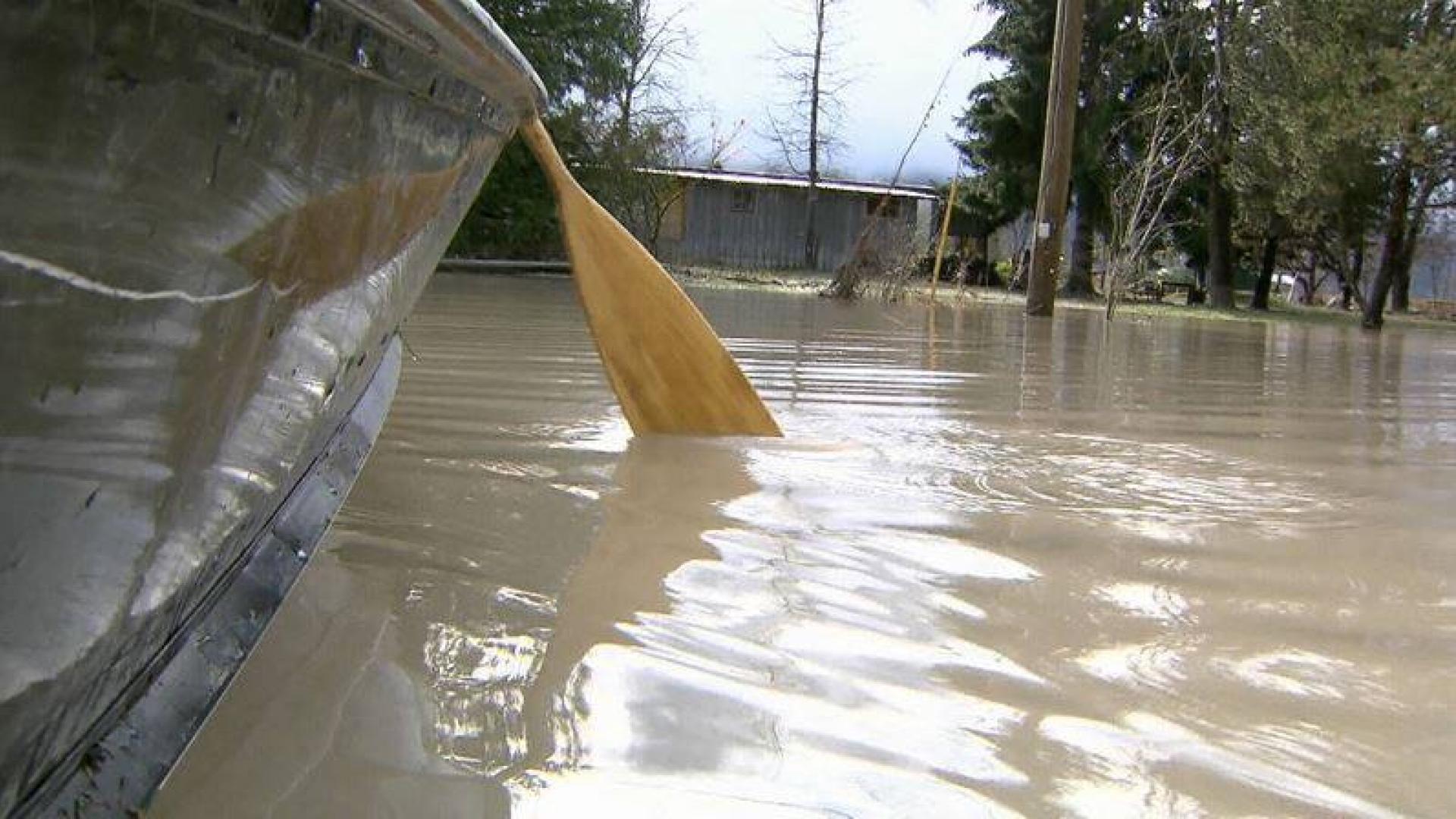
Residents and visitors in Electoral Areas C and D should prepare for potential flooding as heavy rain affects the Pemberton Valley, Howe Sound and Sea-to-Sky areas.
The BC River Forecast Centre has issued Flood Watches for the Pemberton Valley, including the Lillooet River and its tributaries, and the South Coast, including Howe Sound and Sea-to-Sky. A Flood Watch means river levels are rising and may overflow their banks. Flooding may occur in areas near affected rivers. As of 4 p.m. on November 10, 2026, the SLRD has NOT issued an Evacuation Alert or Order.
Heavy rain and snowmelt can cause rivers and streams to rise quickly. Flooding, landslides, debris and water flowing over land may affect properties, roads and access routes. Conditions can change quickly, including outside areas immediately beside rivers.
Prepare your household now
If you live in an area that could be affected by flooding, please take steps to prepare now:
- Pack a grab-and-go bag for each household member with essential medication, important documents, clothing, food, water and a phone charger.
- Plan where you could go and how you would get there if you need to leave. Arrange transportation early if you need help.
- Plan for pets and livestock, including transportation and somewhere safe for them to stay.
- Keep phones charged and vehicles fuelled or charged. Make sure vehicles are parked away from streams and waterways.
- Move important belongings to watertight containers and store in high places like a tall shelf of upper floor.
- Keep the nearby storm drains clear of debris, if it is safe to do so.
- Check on neighbours, family members and others who may need help preparing.
PreparedBC Flood Advice
Need additional support? Contact the SLRD early
If you anticipate that flooding or loss of road access could create difficulties for your household, contact the SLRD 24/7 Duty Officer now at 604-384-7357. This is particularly important if you have medical or mobility concerns, rely on powered medical equipment, or may need help with transportation.
Let staff know your location, how to reach you and what assistance you may need. Contacting the SLRD early helps identify potential support needs if flooding occurs. Do not wait until access to your property is cut off.
In an emergency, call 911
Call 911 if you are in immediate danger or need urgent medical help. This includes situations where current flooding prevents you from leaving your property safely and you need emergency assistance. Do not attempt to walk or drive through floodwater to reach safety.
Travelling through the region? Plan ahead
Flooding and landslides can affect your route even if your home or destination is outside the affected area. Roads may close with little warning, and alternate routes may be limited. Stay away from riverbanks, fast-moving water and areas affected by landslides or debris.
- Check DriveBC and weather forecasts before leaving and monitor updates when safely stopped.
- Consider postponing non-essential travel through affected areas during heavy rain.
- Carry emergency supplies and essential medication in case you are delayed.
- Let someone know your route and expected arrival time.
- Follow road closures, barriers and directions from emergency personnel.
- Never drive across flooded roads, bridges or river crossings. Water can hide washed-out pavement and other hazards.
Sign up for SLRD Alert
Sign up for SLRD Alert, powered by Voyent Alert!, to receive emergency notifications.
Download the free Voyent Alert! app and complete registration, including adding your home and other locations you want to receive alerts for. You can also register to receive notifications by text message, phone call or email.
Know what to do if an evacuation is required
- Evacuation Alert: Be ready to leave on short notice.
- Evacuation Order: You are at risk. Leave immediately and follow the directions provided.
Conditions may change too quickly for an evacuation alert to be issued before an order. If you feel unsafe, leave early while your route is safe. Do not wait for an official notification if you are in immediate danger.
Residents within municipalities and First Nations communities should also follow updates from their municipality or Nation as they may differ from alerts or orders that the SLRD has.