
General requirements
- Photograph and inventory materials before disposal. Keep receipts and any disposal records.
- Wear appropriate personal protective equipment and follow WorkSafeBC requirements.
Do not disturb or transport structural ash or debris until hazardous materials have been assessed. - Burned structures may contain asbestos, lead, treated wood and other contaminants. A hazardous materials survey may be required.
- The SLRD strongly suggest, as per WorkSafeBC guidance, working with an Abatement Company for wildfire debris and waste disposal.
- Wildfire debris requires special approval, handling and disposal.
- Household Hazardous Waste and Flammables should not be disposed of as garbage.
- Disposal requirements, accepted materials, fees and temporary recovery programs may change by incident and facility.
- Insurance may cover removal and disposal costs; check with your insurer and keep all receipts.
Disposal requirements, accepted materials, and temporary recovery programs may change by incident and facility.
Decomposing food including meat
Spoiled foods including meat products should be disposed of using personal protective equipment. Large quantities of foods or meat that cannot be disposed of in a residential setting may require additional steps for proper disposal.
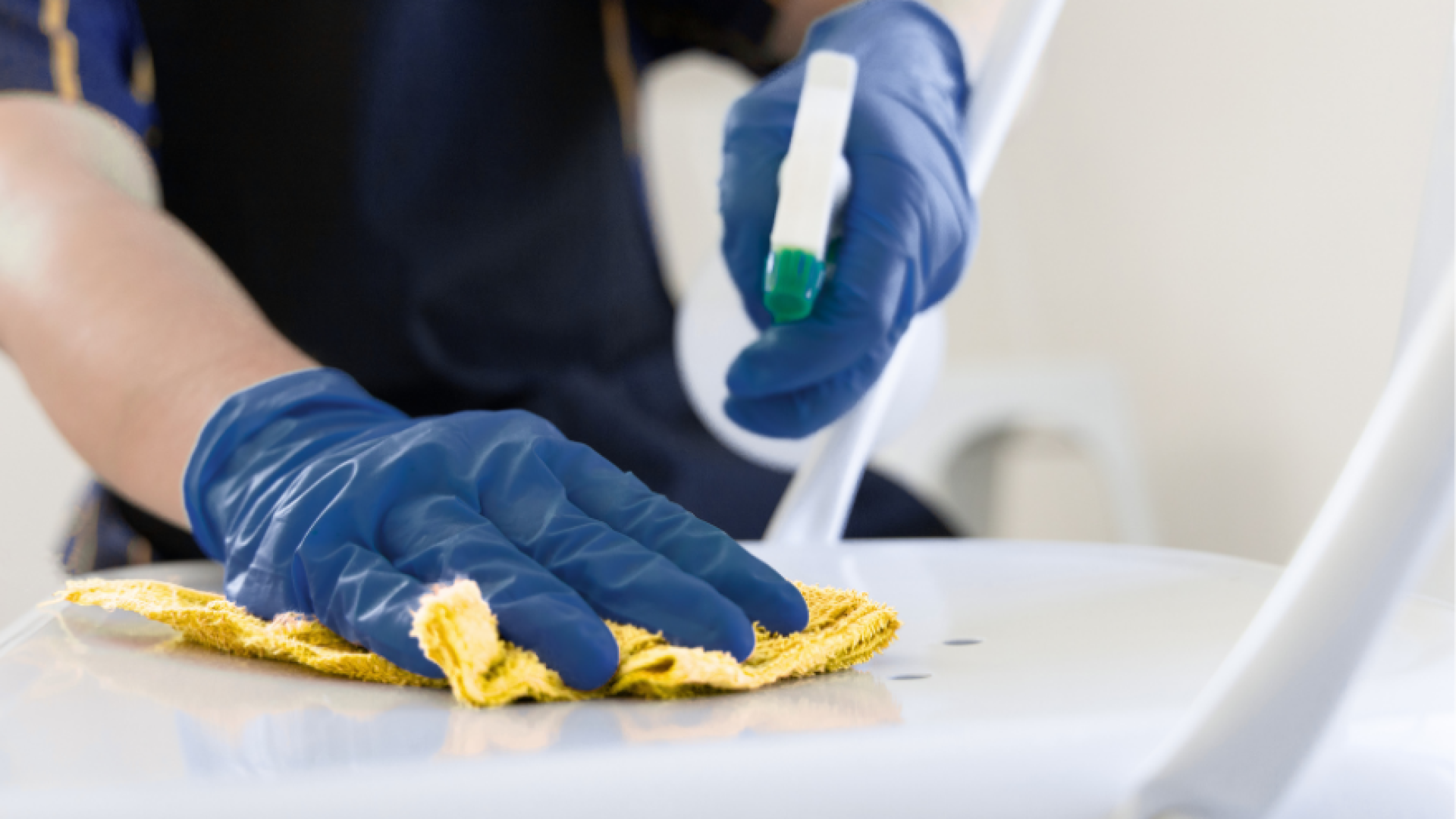
Safely clean your refrigerator or freezer
Medications and household products
Discard over-the-counter medications, cosmetics, toiletries and cleaning products that were exposed to heat, smoke, ash, water or chemical residue. Pharmaceuticals should be brought back to the pharmacy to be replaced and disposed of properly.
Common materials
Wildfire debris require pre-approval, special handling and disposal at a designated facility. Contact the SLRD prior to handling materials. A hazardous materials survey may be required.
Here’s a list of most common materials:
- Animal carcasses
- Asbestos or suspected asbestos containing materials
- For more information, visit Asbestos Management page. Follow WorkSafeBC protocols to properly protect yourself.
- Ash
- Brush and vegetation
- Burned buildings and fire-damaged building materials
- Burned vehicles and recreational vehicles
- Concrete and masonry
- Drywall
- Scrap metal
- Wood waste
- Lumber, plywood, fencing, and other wood products.
Recycling
The following materials are not accepted as waste to landfill and are required to be cleaned, sorted and recycled:
- Large appliances
- Fridge and freezer appliances. Empty and clean.
- Stove, hot water tank, dishwasher, washer, dryer, portable air conditioner, etc.
- Used oil and filters
- Antifreeze and containers
- Electronics, cell phones, small appliances, and power tools
- Paint and aerosols
- Household hazardous waste
- Household and vehicle batteries
- Tires on and off rim
- Scrap and burned metal
- Smoke and Carbon Monoxide (CO) alarms
Call before handling debris: Wildfire debris require pre-approval, special handling and disposal at a designated facility. Contact the SLRD before handling, loading and transporting any materials impacted by wildfire.
Waste management facilities
The SLRD website lists current hours, accepted materials and fees for Gold Bridge Transfer
Station, Lillooet Landfill & Recycling Centre, Devine Transfer Station, and Pemberton Transfer Station. Whistler, Squamish and other municipal and/or First Nations facilities may have separate requirements.
Check the SLRD recycling and waste centres and contact the SLRD for requirements and accepted materials before handling, loading and transporting.