
The Vision for a new Sea to Sky Regional Transit service
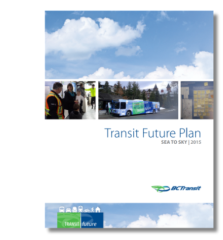
The Sea to Sky Transit Future Plan was developed in 2015 by BC Transit, working with the L̓il̓wat Nation, the Village of Pemberton, Sḵwx̱wú7mesh Úxwumixw, the Squamish-Lillooet Regional District, the District of Squamish, and the Resort Municipality of Whistler.
It outlines how transit in the region could grow by the year 2040, including a stronger link between our communities and connecting the Líl’wat Nation and Metro Vancouver.
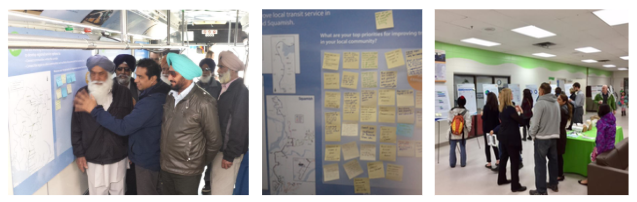
Over 2,000 community members contributed ideas through public engagement and surveys.
Key Outcomes
Two major outcomes came from the plan:
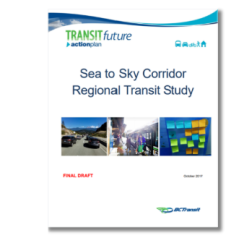
Regional Transit Study (2017):
- Explored short- and medium-term options for new regional and inter-regional bus service.
- Led to the creation of the Sea to Sky Regional Transit Committee.
- Brought together local governments and First Nations to plan for future regional transit.
After the Study was completed, the SLRD Board Chair signed a Memorandum of Understanding [PDF/90KB] with local and First Nation governments to work towards establishing a governance and funding model for a new Sea to Sky Regional Transit system. The Province requested the MOU to show cohesion. This led to the creation of a Sea to Sky Regional Transit Committee to pursue a sustainable governance and funding structure.
- Governance and Funding:
a. A Regional Transit Commission was recommended with equal representation from the L̓il̓wat Nation, the Sḵwx̱wú7mesh Úxwumixw, and municipal and regional district partners.
b. A modest Motor Fuel Tax for Sea to Sky gas stations was proposed to help fund operations to keep costs low for riders and residents. Sea to Sky gas stations do not have Motor Fuel Tax for transit. Although models including a commission or fuel tax have not advanced, discussions continue today.
c. Ongoing meetings in 2025 and 2026 between provincial, local, regional, Líl̓wat Nation and Sḵwx̱wú7mesh Úxwumixw (Squamish Nation) governments led to the signing of a Memorandum of Understand (MOU) between the parties on September 17, 2026. The MOU is a relationship document outlining how the parties will work together to advance governance, funding, and service model planning for the development of an interregional public transit service linking Sea to Sky corridor communities operating from Líl̓wat Nation to Metro Vancouver. News release
Why Regional Transit Matters
Public transit is more than transportation—it connects people, cultures, supports the economy, and protects the environment.
Benefits include:
- Easier access to jobs, schools, and services.
- Reduced traffic and greenhouse gas emissions.
- Improved community resilience and air quality.
- Stronger social and economic connections between communities.
Public transit strengthens communities by increasing mobility, boosting the economy, and promoting a healthy, sustainable region.
Next Steps
The Sea to Sky Regional Transit Committee continues to work with the Province to advance a regional transit system that better serves local communities and strengthens connections between Líl’wat Nation and Metro Vancouver.
Regional Transit is a strategic project of the SLRD. Public transit is a key part of the region’s transportation network. Improving transportation linkages and expanding travel options are priorities identified in the SLRD Regional Growth Strategy. Aligned with this, the transportation strategy in the SLRD Integrated Sustainability Plan highlights public transit as a preferred mode of travel for the region.